

Automatic Doors and Accessibility: What the Equality Act 2010 Means for Your Building
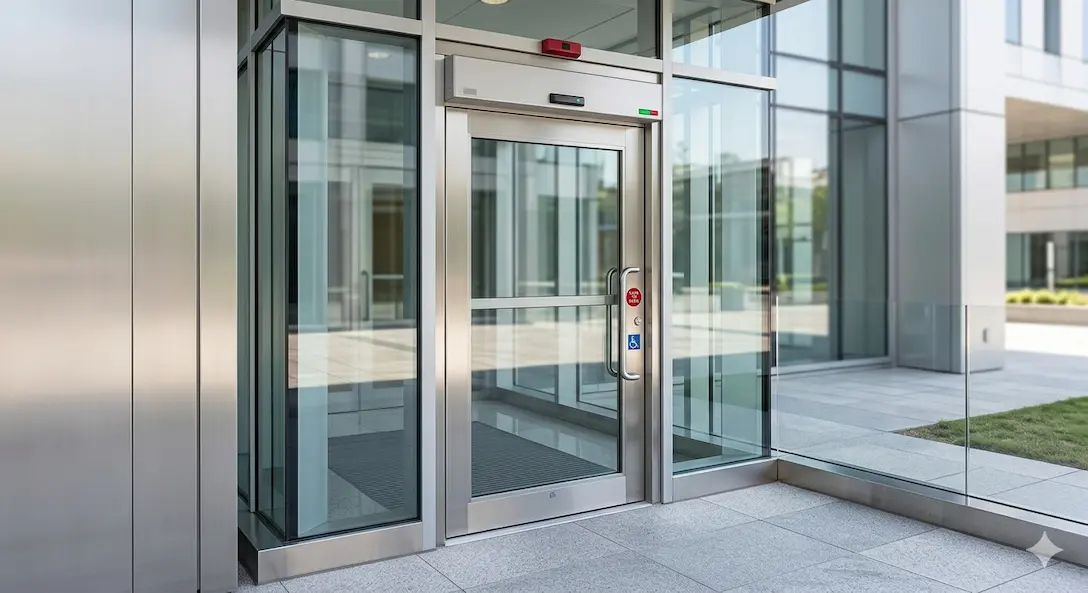
An entrance that is hard to open can stop disabled people, older visitors and parents with pushchairs from entering your building. Automatic doors are one of the simplest ways to fix that.
What the Equality Act 2010 expects
The Equality Act 2010 requires service providers to avoid discriminating against disabled people, including by making reasonable adjustments to physical features that put them at a disadvantage. This duty is anticipatory, which means you should think about access before a disabled person complains.
Automatic doors are a common reasonable adjustment because they give step-free, hands-free entry. Building guidance such as Approved Document M, which covers access to and use of buildings in England, also addresses accessible entrances.
What makes an automatic door accessible
- Clear opening width that suits wheelchairs and mobility scooters
- Easy activation: sensors or push plates placed where everyone can reach them
- Enough open time for slower walkers to pass safely
- Visible glazing: markings or contrast so glass doors are easy to see
- A level threshold that avoids trip hazards
Maintenance is part of accessibility
A broken accessible door is a barrier. Regular servicing keeps doors working and safe, so access is there when people need it. See our maintenance and services.